

UAE tightens residency rules with jail terms and fines up to Dh5 million
Harbouring offenders now treated as serious national security breach
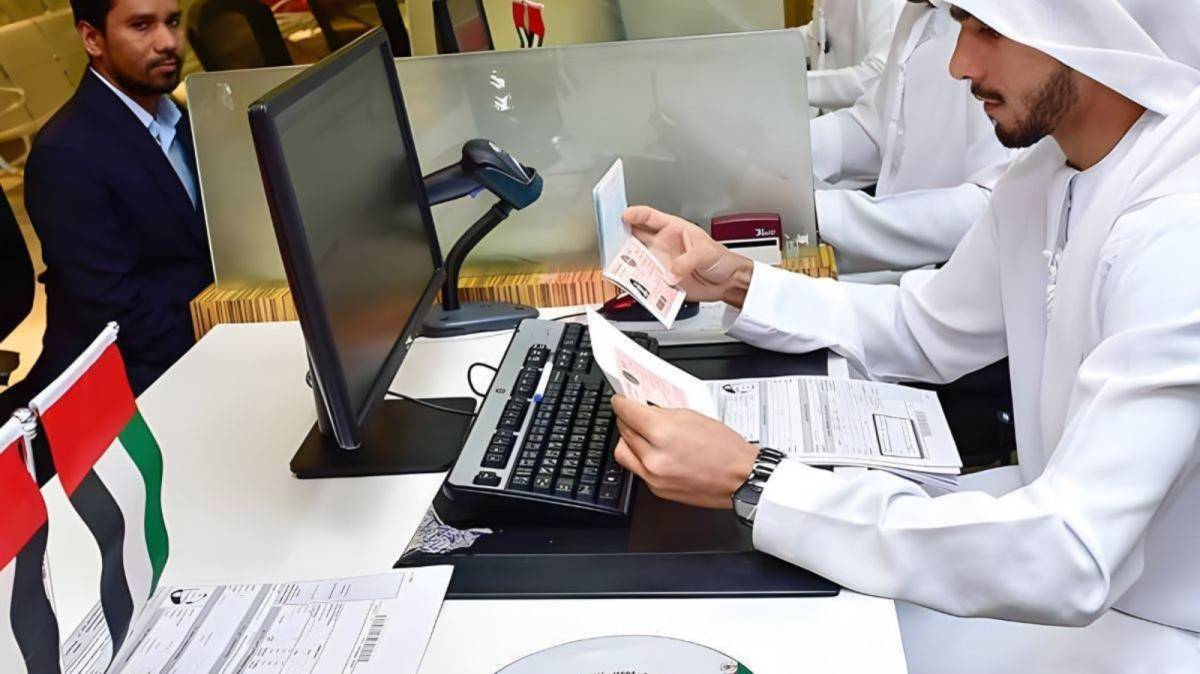
DUBAI – The United Arab Emirates (UAE) has introduced far stricter enforcement of its residency and visa regulations, with penalties now reaching as high as Dh5 million for serious offences.
Authorities have intensified crackdowns on illegal employment, visa misuse, and the harbouring of infiltrators, emphasising that breaches of residency laws are now considered significant national security threats. The latest measures are backed by updated legislation, enhanced monitoring systems, and a nationwide focus on safeguarding social stability.
These changes are designed to protect the labour market, ensure the integrity of the country's identity system, and preserve the UAE’s reputation as a secure destination for residents, workers, and investors. With penalties now sharply higher than before, understanding the rules has become critical for every resident, employer, and visitor.
Key violations
One of the most serious residency-related offences is sheltering or employing infiltrators – individuals who enter or stay in the UAE without completing legal procedures. Under Federal Law No. 29 of 2021 on the Entry and Residence of Foreigners, fines begin at Dh100,000 and can rise to Dh5 million for organised operations or cases involving multiple offenders. A mandatory minimum sentence of two months imprisonment also applies.
Authorities stress that liability does not only apply to employers. Anyone providing accommodation, financial assistance, logistical support, or any aid enabling illegal stay can be prosecuted. Officials have reiterated that no exemption or leniency will be granted in such cases, given the risks posed to national security.
Visa misuse
Strict action also targets the growing problem of working on visit or tourist visas. Employers found hiring individuals on such visas will face a minimum Dh10,000 fine. Visit visa holders themselves may be jailed depending on the circumstances of the case. Authorities note that misuse of visa categories disrupts labour market integrity and undermines the UAE’s structured residency system.
Arab media reported that using a visa for purposes other than its intended purpose is now treated as a violation that disturbs public order. The law requires that every visa type corresponds strictly to the activity for which it is issued. Violators face immediate legal liability, including fines and potential imprisonment.
Officials emphasise that the aim is to guarantee fair employment practices and ensure that labour relations remain transparent, regulated, and fully documented. This updated framework helps prevent the exploitation of loopholes that previously enabled unlawful employment.
Document forgery
Another high-risk violation involves the forgery or illegal use of residency documents. Authorities classify this as a direct threat to the state’s identity system and security. Penalties include imprisonment for up to ten years, alongside substantial fines that vary according to the nature of the forged document and the way it is used.
The UAE has repeatedly warned about the consequences of tampering with official documents, highlighting that fake identities or forged residency papers may facilitate illegal activities. The crackdown targets both those who create forged documents and those who knowingly use them.
Officials confirm that modernised digital systems, biometric checks, and identity verification tools have made detection faster and more accurate. The strengthened oversight forms part of a broader long-term strategy to maintain a trusted and secure residency framework.
Labour market protection
The UAE has stressed that these penalties are part of a wider effort to create a transparent labour environment. Preventing the misuse of visit and tourist visas for work is central to ensuring fair competition, proper employer accountability, and protection of workers’ rights.
Authorities highlight that the measures are not isolated but fit within a fully integrated structure of smart procedures and modern legislation. This includes advanced border controls, digital tracking of entry and exit records, and a strengthened inspection framework across the country.
The Ministry of Interior, through multiple statements, has reiterated its zero-tolerance policy towards irregular residency, illegal employment, and document fraud. Officials say that large-scale inspections and enforcement campaigns have already been launched.
The message across all platforms remains consistent: any activity that disrupts social order, undermines national security, or interferes with the identity system will be met with the strictest possible response. This includes employers, facilitators, agents, landlords, and individuals who knowingly engage in or support violations.
As enforcement intensifies, residents and businesses are urged to stay informed and ensure full compliance with UAE residency regulations to avoid penalties that now rank among the toughest in the region.